How Casino Wallet Systems Connect Multiple Games
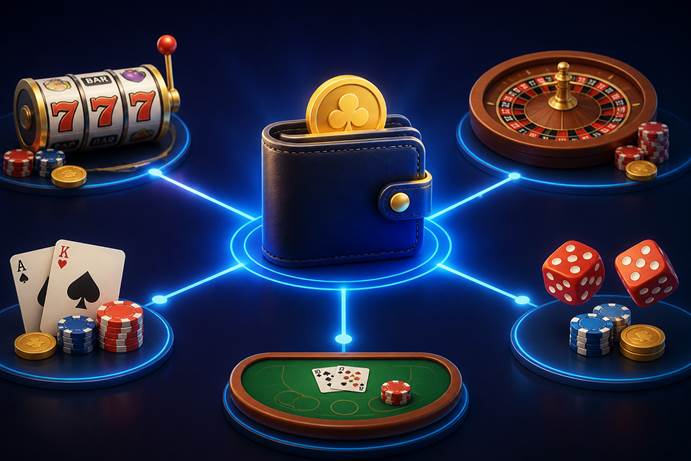
How Casino Wallet Systems Connect Multiple GamesModern casino environments thrive on the seamless movement of credits across dozens of different activities, a capability made possible by sophisticated wallet infrastructure that maintains real-time balance synchronization. A related resource such as https://simo-trial.de/ can help frame the discussion. The casino wallet system serves as the invisible backbone that allows a player to move from a blackjack table to a slot machine without missing a beat, ensuring that funds are accurately tracked and available regardless of which game they choose to play next. This connectivity is particularly crucial in today’s integrated casino platforms, where players expect the same level of convenience and reliability whether they’re playing in a physical establishment or through a digital interface . The casino wallet system essentially transforms what could be dozens of isolated gaming experiences into a single, cohesive entertainment ecosystem.
Balancing System and Casino Experience
At its core, the casino wallet system functions as a centralized ledger that records every transaction across multiple games in real-time. When a player places a bet at a roulette table, the system immediately updates their balance, allowing them to immediately transition to a poker game or electronic terminal without any delay or reconciliation process. This level of integration requires robust backend architecture that can handle thousands of simultaneous transactions while maintaining absolute accuracy. The casino wallet system must also account for different game mechanics, varying bet sizes, and different payout structures while ensuring that the player’s available funds remain consistent across all activities.
The implementation of an effective casino wallet system presents significant technical challenges that require careful planning and execution. Developers must create interfaces that can communicate with dozens of different game providers while maintaining security and performance standards. The casino wallet system must also handle edge cases like bonus credits, promotional offers, and different currency types without compromising the user experience. As casinos expand their offerings to include more diverse gaming options, the wallet system becomes increasingly complex, requiring constant updates and optimizations to keep pace with new game releases and changing player expectations.
|
Area |
What to know |
|
Context |
At its core, the casino wallet system functions as a centralized ledger that records every transaction across multiple games in real-time. |
|
Consideration |
The implementation of an effective casino wallet system presents significant technical challenges that require careful planning and execution. |
|
Practical takeaway |
Player experience remains the ultimate measure of a successful casino wallet system implementation. |
Player Experience: Key Considerations
Player experience remains the ultimate measure of a successful casino wallet system implementation. When the connection between multiple games functions smoothly, players can focus on enjoying their entertainment rather than worrying about technical issues or balance discrepancies. A well-designed casino wallet system creates a sense of freedom and flexibility, allowing players to explore different games without the friction of separate accounts or payment processes. This seamless experience is particularly important in modern casinos where players often move between physical and digital gaming environments, expecting the same level of convenience regardless of where they choose to play.
• When a player places a bet at a roulette table, the system immediately updates their balance, allowing them to immediately transition to a poker game or electronic terminal without any
• This level of integration requires robust backend architecture that can handle thousands of simultaneous transactions while maintaining absolute accuracy
• The casino wallet system must also account for different game mechanics, varying bet sizes, and different payout structures while ensuring that the player’s available funds remain
• The implementation of an effective casino wallet system presents significant technical challenges that require careful planning and execution
• The casino wallet system must also handle edge cases like bonus credits, promotional offers, and different currency types without compromising the user experience
• When the connection between multiple games functions smoothly, players can focus on enjoying their entertainment rather than worrying about technical issues or balance discrepancies
• A well-designed casino wallet system creates a sense of freedom and flexibility, allowing players to explore different games without the friction of separate accounts or payment processes
Wallet, System, and the User Experience
Looking ahead, the casino wallet system will continue to evolve as technology advances and player expectations change. Future developments may include more sophisticated analytics that track player behavior across multiple games, enhanced security features that protect against emerging threats, and greater integration with emerging payment technologies. The fundamental principle of connecting multiple games through a unified wallet system, however, will remain constant. As casinos continue to expand their offerings and diversify their gaming portfolios, the importance of a reliable, efficient wallet system will only grow, serving as the invisible thread that weaves together all the different elements of the modern casino experience into a cohesive, enjoyable whole.